


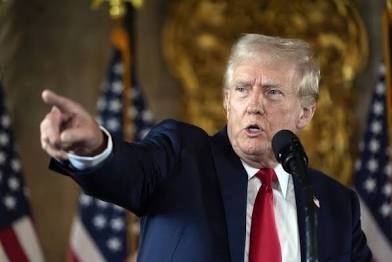
WASHINGTON (BuzzReport)— A contentious draft executive order is circulating among Republican legal and political allies that, if issued by President Donald Trump, could dramatically expand presidential authority over federal election administration — a move that constitutional scholars, voting rights advocates and state officials say would face serious legal obstacles and could reshape U.S. electoral norms.
The 17-page working document, reviewed in full by several news outlets, is being pushed by pro-Trump activists and attorneys who say they have been in early communication with the White House. It would declare a national emergency over alleged foreign interference in elections, which backers contend could justify unilateral presidential action to regulate or “secure” the 2026 midterm elections.
Proposed Powers and Measures
According to descriptions of the draft, the order would:
- Invoke emergency powers under federal statutes as the basis for sweeping authority over election procedures nationwide.
- Mandate strict voter identification requirements and potentially ban mail-in ballots.
- Restrict or prohibit use of certain voting machines, favoring manual processes like hand-counted ballots.
Proponents argue such steps are necessary to protect election integrity in the face of alleged foreign influence, particularly claims about China interference in past U.S. elections — claims that have been widely discredited by U.S. intelligence agencies.
White House Response and Political Context
The White House has been noncommittal on whether the draft order will be formally adopted. In past public statements, Trump has indicated he expects to issue further executive actions related to election policy but has stopped short of acknowledging this specific draft.
Supporters of the draft see it as part of a broader Republican strategy to tighten election procedures. Trump and many GOP leaders have consistently advocated for tighter voter ID requirements and measures targeting mail-in ballots — policies that have been central to broader Republican election legislation debates.
Legal and Constitutional Backlash
Critics have denounced the draft as unconstitutional and a dangerous power grab. Under the U.S. Constitution, the administration and conduct of federal elections are determined by state legislatures and Congress, not the president. Legal experts say there is no clear legal authority for a president to assume control of state-run election systems or to override existing election law via emergency powers.
Voting rights advocates and top Democratic lawmakers have decried the proposal, warning it could disenfranchise voters and erode confidence in electoral processes. House Democratic leaders have publicly rejected the legitimacy of efforts they describe as based on unfounded conspiracy theories about foreign interference and fraudulent voting practices.
State Officials Prepare Legal Challenges
At least one state’s top election official has already indicated plans to pursue legal action if a sweeping executive order were signed. In Nevada, the secretary of state said the state would file suit to challenge any such federal takeover of election administration, arguing that it would violate constitutional separation of powers and state authority.
Historical and Broader Context
This development follows earlier executive actions by Trump to reshape aspects of election administration — including a 2025 executive order requiring documentary proof of citizenship for voter registration and limiting how mail ballots could be counted — many of which were blocked or challenged in court due to constitutional and statutory concerns.
Legal observers say the current draft reflects ongoing tensions between executive ambition and constitutional limits, and that if issued, it would likely prompt immediate litigation and possibly intervention by the U.S. Supreme Court to determine its legality.